

Each base station can handle a limited number of mobile devices, and the more base stations there are in a given area, the better the coverage. These base stations are connected to the
The comparison between gNB and eNB highlights the technological strides made in advancing from 4G to 5G networks. With gNBs at the forefront, 5G technology promises to
In this article, we will discuss the different types of base stations with their advantages and applications in the real world. A base station is a component that provides functionality as a gateway
This article explores the differences between Remote Radio Head (RRH) based base stations and traditional base station architectures, commonly used in cellular communication systems.
These protocols form the air interface protocol stack used by base stations to implement the services and functions provided by operators. Layer 2 of the 5G protocol stack includes the
SummaryPeak bit rate and throughputStandardsOverviewSee alsoExternal links
When discussing throughput, there is often a distinction between the peak data rate of the physical layer, the theoretical maximum data throughput and typical throughput. The peak bit rate of the standard is the net bit rate provided by the physical layer in the fastest transmission mode (using the fastest modulation scheme and error code), excluding forward error correction coding and other physical layer overhead.
To develop a base station reference model we will take a top-down approach that explores the system context from which the cellular service has evolved and toward which it is migrating. Then we will
Downlink is the throughput from the base station to the user handset or computer. Uplink is the throughput from the user handset or computer to the base station. Range is the maximum range
Curious about how the core components of a base station communicate so efficiently? The answer lies in a key interface specification — the Common Public Radio Interface (CPRI).
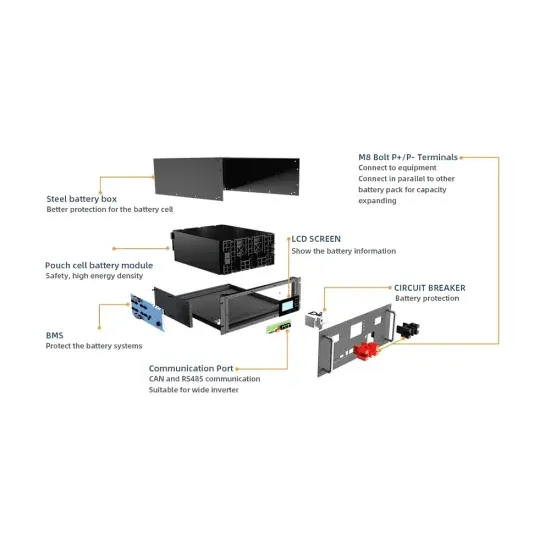
We experimentally demonstrate an optical Burst-Mode Wavelength Converter (BMWC) that simultaneously provides power equalization and wavelength conversion of Non-Return to Zero
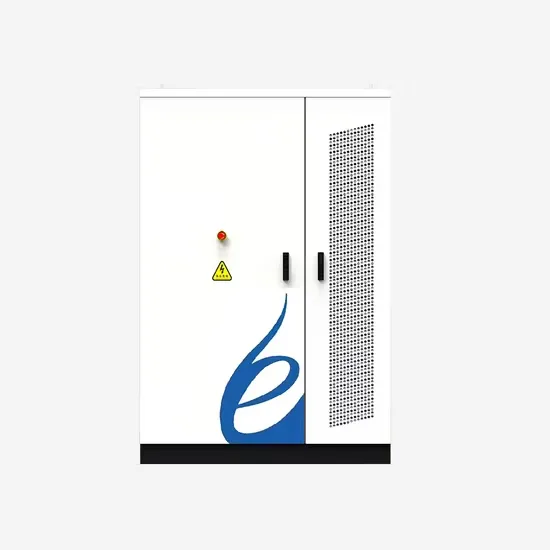
Macro cell, Micro cell, Pico cell and Femto cell are 4 types of base stations in wireless communication networks. Macrocell antennas must be properly mounted on ground-based masts,
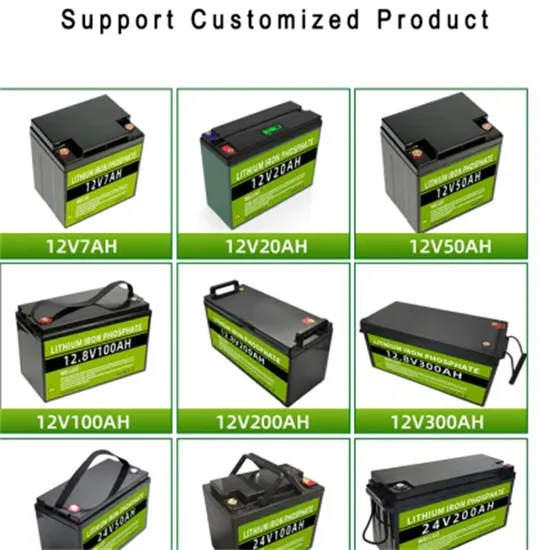
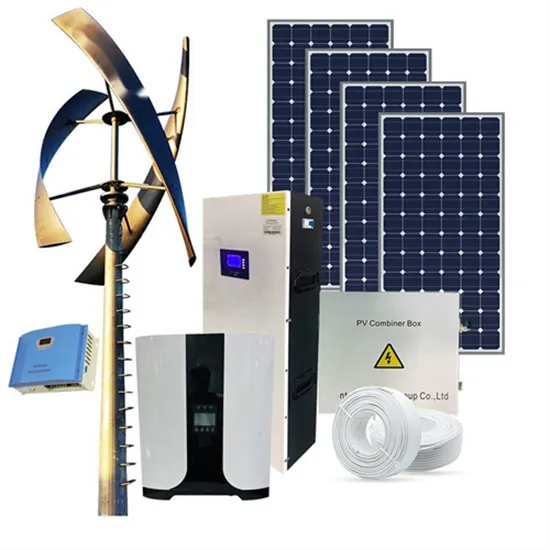
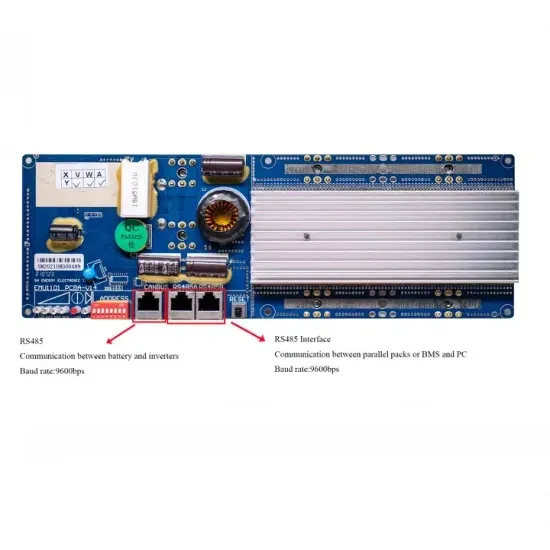
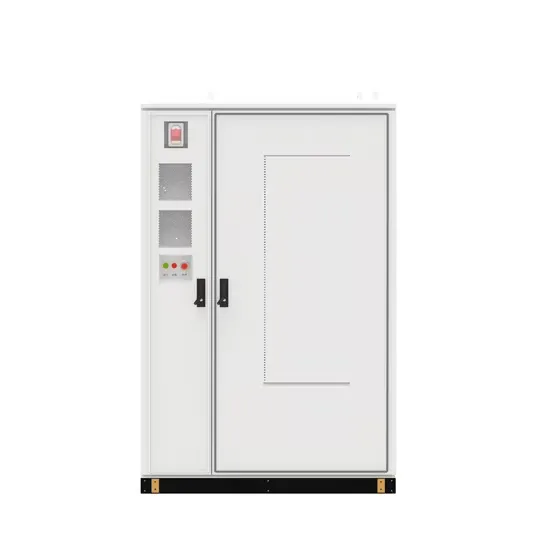
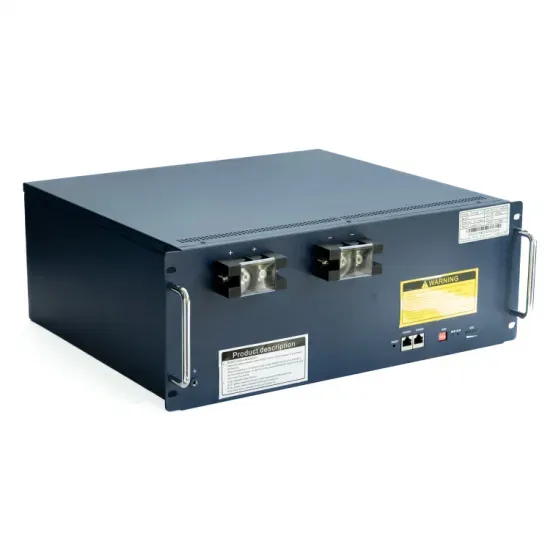
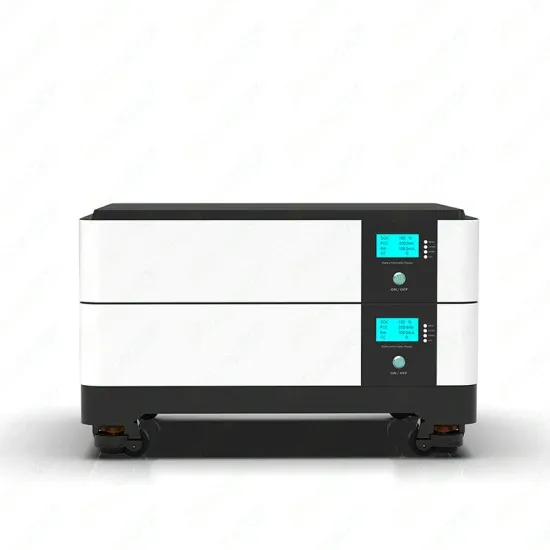
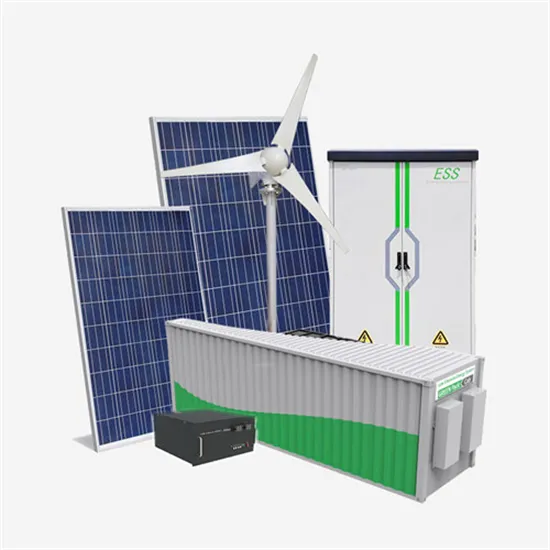
Empa Solar Energy Europe is a leading energy storage equipment manufacturer and integrator based in Poland, serving the European market. We specialize in C&I energy storage systems for factories and warehouses, industrial battery storage systems for heavy-duty applications, factory energy storage systems (ESS) to optimize production, commercial battery energy storage systems (BESS) for retail and offices, enterprise storage solutions for corporate campuses, industrial park energy storage for multi-tenant sites, commercial battery storage for peak shaving, industrial battery storage systems for backup power, and remote base station power solutions for telecom towers. Our portfolio also includes lithium-ion batteries, system-level battery management systems (BMS), energy conversion systems (PCS), energy storage battery system cabinets, communication cabinets for telecom and data centres, integrated PV-storage systems, distributed energy resources, deep discharge battery technology, and containerised BESS. As a full-service provider, we also offer modular battery racks, backup emergency power, and zero‑carbon microgrids. Our advanced lithium‑ion and sodium‑ion solutions ensure safety, scalability, and high performance for commercial, industrial, and utility projects across Europe.
Our modular energy storage portfolio ranges from compact lithium-ion batteries to 20ft/40ft mobile containers and outdoor all-in-one storage cabinets with IP54 protection. We are a leading energy storage equipment manufacturer, offering communication cabinets for 5G/telecom, server racks for data centers, and IP54 rated enclosures for harsh environments. Our stackable design allows flexible capacity expansion, while our grid-forming technology ensures stable off‑grid operation. Whether for remote base stations, off‑grid power systems, backup emergency power, integrated PV-storage or large zero‑carbon parks, our products feature advanced thermal management, deep discharge cycling, and compliance with European and international standards. We also provide professional energy storage system installation and after‑sales support across Europe.